Bolted Repair Clamps Supplier: The Complete Guide for Oil & Gas Pipeline Repair
There are few costs greater for an oil and gas operator than a pipeline shutdown. One day of unplanned downtime on a major transmission pipeline can result in millions of dollars of lost production, emergency response costs, and regulatory compliance fines. Factor in safety risks that come with releasing high-pressure fluids into the atmosphere, not to mention environmental liability should a spill occur, and operators will spend whatever it takes to repair pipelines without shutting down operations.
Bolted repair clamps are some of the most commonly used and trusted pipeline repair products for keeping oil and gas flowing during emergency situations. If you’re in the market for a bolted repair clamps supplier, it helps to know what bolted repair clamps are, how they’re used, and what to look for in a supplier.
What Are Bolted Repair Clamps?
Bolted repair clamps are full wrap-around split sleeve repairs that are fitted over the outside of a leaking section of pipe and held together by high strength bolts. Tightening the bolts compresses an elastomeric seal inside the clamp against the pipe which seals the leak and forms a secondary pressure containing boundary around the damaged area.
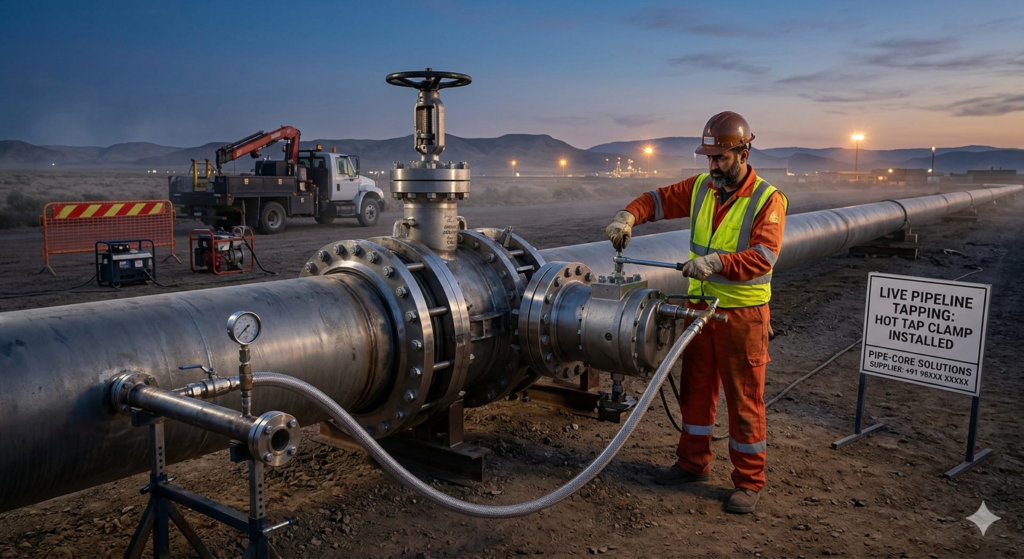
Bolted repair clamps involve no hot work or grinding and can be applied without shutting down the carrier line. Bolting clamps around an existing leak can be performed on a live/live piping situation where the pipe is under pressure transporting oil, gas, water or chemicals. Once the clamp is installed it provides a permanent structural and pressure rated repair in compliance with ASME codes which can remain on the pipe for the remaining life of the pipeline.
Clamps are available for sizes ranging from 1″ to 72″ and can be designed to withstand working pressures ranging from low pressure applications to 150 bar or higher. Materials used to construct bolted repair clamps include carbon steel, stainless steel and special alloys to match service conditions.
Why Bolted Repair Clamps Are the Preferred Choice in Oil & Gas
The oil and gas industry has some of the most challenging pipelines of any industry. Transmission pipelines operate at 50 to 100 bar transporting crude oil and natural gas hundreds of kilometres. Refinery process lines convey aggressive chemicals at temperatures over 200 degrees Celsius. Offshore pipelines must contend with seawater corrosion, high external pressure, and difficult access.
These industries all share one thing in common when it comes to maintaining pipelines: bolted repair clamps provide numerous benefits that make them the ideal solution for pipeline operators and their trusted bolted repair clamps supplier.
Benefit 1: Speed
A bolted repair clamp can be installed in hours while a traditional weld repair can take days. Weld repairs require significant surface preparation, hot work permitting, NDT inspection, and post-weld heat treatment.
Benefit 2: Safety
Bolted repair clamps can be safely installed because they do not require any welding. This means there is no risk of ignition in hazardous or explosive environments. This makes bolted clamps ideal for use in gas pipelines, as well as offshore and refinery applications where hot work permits can take weeks to approve.
Benefit 3: Permanence
Repair clamps are not band-aids; they’re permanent repairs. When designed and installed correctly, a bolted repair clamp restores 100% of the structural and pressure integrity to the pipeline. Bolted repair clamps can continue to operate for decades once installed.
Benefit 4: Versatility
Bolted repair clamps can be used to repair virtually any type of damage. Common repairs include external corrosion, pitting, cracks, dents, gouges, and weld imperfections. Another advantage is they can be used on virtually any pipe size or material regardless of diameter, wall thickness, or composition.
Common Applications of Bolted Repair Clamps in Oil & Gas
Bolted repair clamps have applications in every sector of the oil and gas industry. Upstream, they are used on flow lines, gathering lines, and wellhead piping where exposure to corrosive produced fluids and mechanical damage can occur. Midstream, bolted repair clamps can be used on long-distance transmission pipelines where shutdowns can be extremely expensive and disruptive. Downstream, repair clamps are used on refinery process piping, tank farm connections, and loading/unloading equipment.
Typical damage scenarios where bolted repair clamps are used include external corrosion causing wall thinning below minimum code acceptable thickness, third party damage from excavation/construction near the pipeline, longitudinal seam weld defect discovered during inline inspection, stress corrosion cracking in high strength pipeline steel, and erosion damage on elbows/reducers carrying abrasive fluids. In each of these scenarios, a bolted repair clamp provided by a quality bolted repair clamps supplier offers a quick, proven and code-compliant repair solution that keeps the pipeline in service and meets with regulatory approval.
What to Look for in a Bolted Repair Clamps Supplier
All bolted repair clamps are not created equal and working with the wrong supplier can have disastrous results when placed in an exacting safety-critical environment. Here’s what you need to know when assessing a bolted repair clamps supplier.
Material certification should be your first checkpoint. The body of the clamp should be made from certified ASTM A516 Grade 70 carbon steel plate with full mill test reports available from the supplier, traceable back to heat number. Bolts should be ASTM A193 Grade B7 and nuts should be ASTM A194 Grade 2H. If substitutions have been made, they should be well documented and approved.
Pressure rating and design basis are another important consideration. The clamp should be designed to the maximum allowable operating pressure of the pipeline being repaired with an adequate safety factor built in. Reputable bolted repair clamps suppliers will be able to provide design calculations and hydrostatic test certificates for each clamp.
Gasket material compatibility should not be overlooked. The internal seal of the clamp must be compatible with both the fluid being transported and the operating temperature of the pipeline. A bolted repair clamps supplier that asks questions about your fluid composition, temperature and pressure isn’t afraid of ticking customers off with extra inquiries. They know their design is only as good as the information you give them.
Ability to customize is what sets a good supplier apart from a great one. Rarely will a standard catalogue item match the exact outside diameter, required length and pressure rating of the pipe being repaired. A supplier that can fabricate to your specifications quickly will be invaluable if your situation is an emergency.
Availability of third-party inspection will give you peace of mind that the clamp you receive is everything you ordered. Top notch bolted repair clamps suppliers will allow for inspection by third-party agencies and provide a complete package of documentation.
Pipeline Products Inc. — A Leading Bolted Repair Clamps Supplier in India
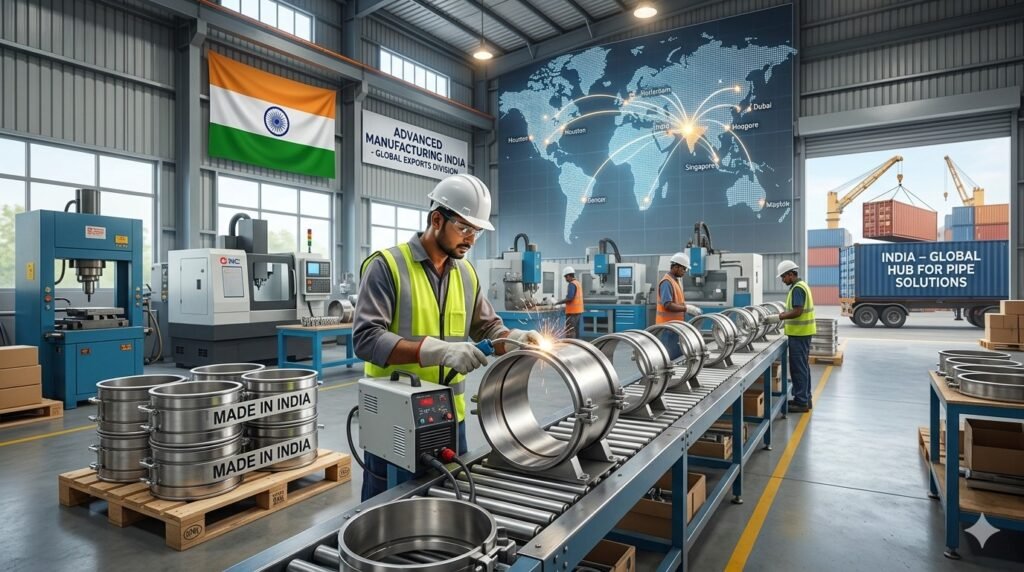
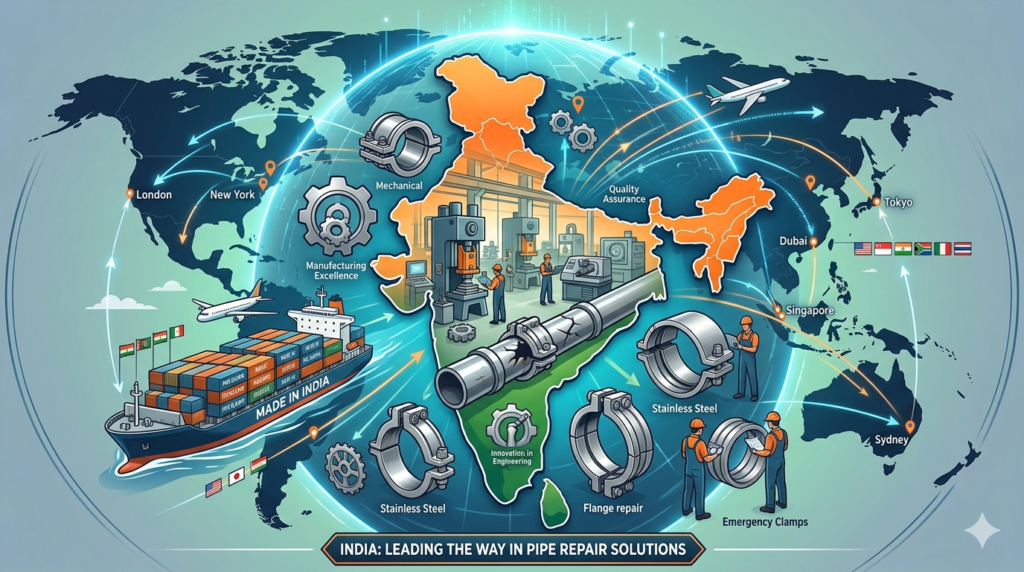
We have been producing and supplying bolted repair clamps for oil and gas pipelines from Mumbai, India since the year 1975. Pipeline Products Inc. is a leading bolted repair clamps supplier with over fifty years experience serving oil and gas operators, EPC contractors and pipeline maintenance companies worldwide.
Pipeline Products Inc.’s bolted repair clamps are made from ASTM-grade materials and are hydrostatically tested and delivered with material test reports, dimensional inspection reports and hydrostatic test certificates. Special sizes, materials and high-pressure ratings are also available upon request.
Conclusion
Bolted repair clamps can solve problems for oil and gas pipeline operators everywhere. They provide a quick, safe, permanent and economical repair solution instead of traditional shutdown repairs for most pipeline damage situations. Selecting a bolted repair clamps supplier that has the technical knowledge, material certifications, customisation abilities and industry experience necessary to provide a clamp that will perform in even the harshest conditions is worth taking the time to do. Pipeline Products Inc. wants to be that supplier for you on your next job.
FAQ’s (Frequently Asked Questions)
Q1: What is the maximum pressure rating available for bolted repair clamps?
Bolted repair clamps can be designed and manufactured for working pressures up to 150 bar (approximately 2175 PSI) and beyond for special applications. The actual pressure rating depends on the pipe diameter, wall thickness, clamp body dimensions, bolt specifications, and design code requirements. Your bolted repair clamps supplier should provide documented design calculations for any high-pressure application.
Q2: Can bolted repair clamps be used on pipelines carrying sour gas or H2S?
Yes, but special material requirements apply. Pipelines in sour service carry hydrogen sulphide, which can cause sulphide stress cracking in high-strength steels. Bolted repair clamps for sour service must be manufactured from materials that meet NACE MR0175 / ISO 15156 requirements, including hardness limits on the clamp body, bolts, and nuts. Always inform your bolted repair clamps supplier of any sour service conditions.
Q3: How is the correct clamp length determined for a given repair?
The clamp length is determined by the extent of the damage plus an overlap allowance at each end that ensures the end seals engage undamaged pipe. As a general rule, the clamp should extend at least 50 to 75 mm beyond the damage zone at each end. For cracks or weld defects, the clamp must cover the entire defect length with the specified overlap.
Q4: Are bolted repair clamps accepted by pipeline regulatory authorities?
Yes. Bolted repair clamps designed and manufactured to recognised codes such as ASME B31.4, ASME B31.8, and ASME Section VIII are accepted by pipeline regulatory authorities in most countries as a permanent repair method. Your supplier should be able to confirm which codes their products comply with and provide the relevant documentation.
Q5: What is the difference between a structural and a non-structural bolted repair clamp?
A structural bolted repair clamp is designed to carry the full hoop stress of the pipeline, effectively replacing the load-bearing function of the damaged pipe wall. It is used when the pipe wall has been significantly weakened by corrosion or damage. A non-structural clamp is designed only to stop a leak and does not contribute to the structural integrity of the pipeline. For oil and gas applications involving significant wall loss or cracking, a structural clamp is almost always required.